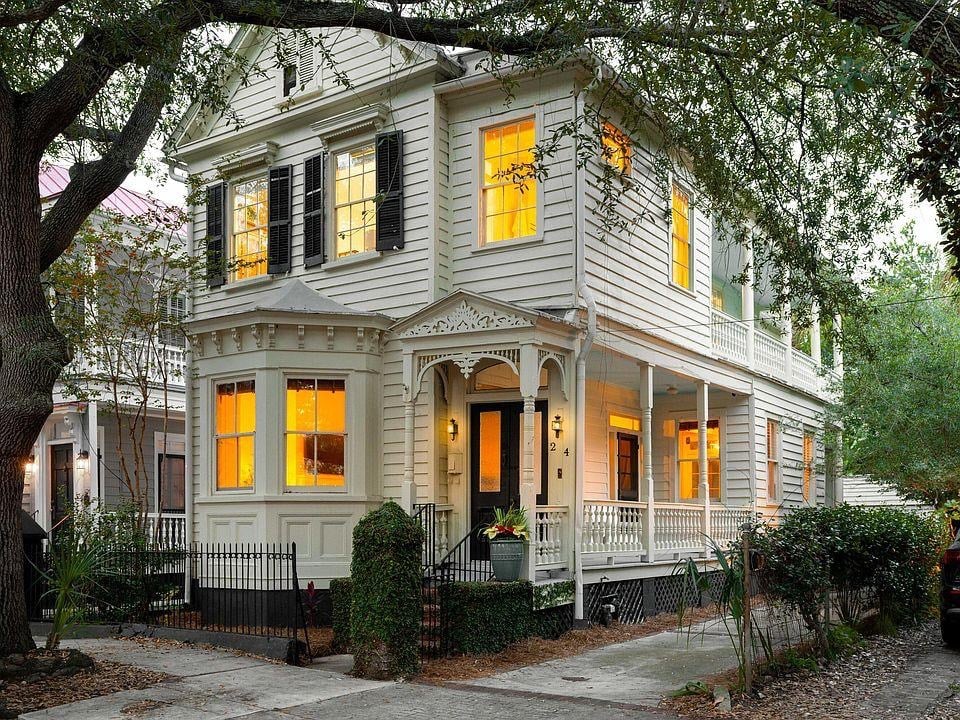
You thought you missed your chance. The Charleston home you had been watching went under contract, and you moved on. Then, a few weeks later, there it is again: back on the market.
Your first thought might be, What’s wrong with it?
My first thought is, Let’s find out what happened.
Some of my clients’ best purchases have been homes that came back on the market. Properties other buyers passed over became wonderful opportunities once we understood why the previous transaction ended.
A canceled contract tells you that a transaction didn’t work out. It takes a little more investigation to understand what that means for the house—and for you.
Sometimes, Life Changes Before Closing
Buying a home involves much more than choosing a property. Jobs, family responsibilities, timing, and finances all have to come together.
A buyer may decide they aren’t moving to Charleston after all. A family situation may require them to stay closer to home. A relocation may be postponed, or the home they need to sell may remain unsold.
Sometimes another property becomes available that better suits their needs. Sometimes buyers realize they want a different neighborhood, less maintenance, or an entirely different lifestyle.
Those circumstances can unravel a purchase without changing a single thing about the property.
That is why I encourage buyers to ask questions before making assumptions. The previous buyer’s change of plans could create your opportunity.
Historic Homes Require an Experienced Eye
In Charleston, the inspection deserves a conversation of its own.
I have restored 38 historic properties, and that experience has taught me how important context is when evaluating an older home. A historic property needs to be understood through its age, construction, maintenance, and the work completed over time.
Sometimes buyers—and their agents—aren’t familiar with historic construction. An inspection report arrives, and every observation starts to feel like a reason to walk away.
Uneven floors, older framing, previous repairs, or evidence of changes made over generations can sound alarming without an explanation. Their significance depends on the specific condition: Is it longstanding or changing? Has the cause been addressed? Does it require maintenance, repair, monitoring, or further evaluation?
The goal is to understand what matters, what needs attention, and what owning the property will involve.
Some findings warrant a qualified contractor or structural engineer. Others may be manageable maintenance items or repairs that can be negotiated. A serious concern deserves serious attention, regardless of a home’s charm.
But a long inspection report alone doesn’t tell you whether a historic home is a sound purchase. The details—and the people helping you interpret them—matter.
I have seen buyers become uncomfortable with conditions that could have been evaluated and worked through. That can leave an opening for the next buyer, particularly one who has experienced guidance and a realistic understanding of historic homeownership.
The Finances May Have Changed
A buyer can love a home and still be unable to complete the purchase.
Financing can fall apart as the lender reviews the buyer’s financial picture and the property. Changes in employment, additional debt, or difficulties documenting income can interfere with approval.
The buyer may also discover that the total cost of ownership stretches beyond their comfort level once they consider insurance, maintenance, renovations, and other expenses.
An appraisal can create another obstacle. If the appraised value falls below the contract price, the parties may be unable to agree on how to bridge the difference.
These situations deserve investigation, but they don’t all lead to the same conclusion. Understanding the actual issue is far more useful than treating “back on the market” as a verdict.
Sometimes the House Was Never the Right Fit
People can fall in love with a Charleston house before fully considering how they would live in it.
The beautiful staircase becomes a concern for everyday use. The garden feels like more upkeep than they want. They reconsider parking, guest space, or how often they will actually visit a second home.
A buyer may love the idea of restoring a historic property and later realize they don’t have the time or appetite for the project.
Those are meaningful considerations. They are also personal ones. What feels like too much responsibility to one buyer may be exactly what another buyer has been hoping to find.
What I Want to Know Before You Make an Offer
When a property returns to the market, I want to understand the circumstances as clearly as possible.
- Why did the previous transaction end, and what information is available to support that explanation?
- Were any property conditions identified that need further evaluation?
- Have repairs been completed, and is there documentation?
- Was the obstacle related to financing, appraisal, timing, or the buyer’s circumstances?
- Does the price make sense given the property’s condition and current competition?
A previous inspection, when available, may offer useful information. You should still conduct your own due diligence with professionals working on your behalf.
The purpose of these questions is to make an informed decision. You may uncover a concern that changes your offer—or discover that the reason the last buyer walked away has little bearing on your plans.
There May Be an Opportunity, but It Still Has to Make Sense
When a home comes back on the market, some buyers have already moved on. Others dismiss it without asking why.
That can give you a chance to revisit a property you thought was out of reach. The seller may also have a clearer understanding of the questions buyers will ask or the repairs that need attention.
It doesn’t automatically mean a bargain or a dramatic price reduction. A desirable home can attract interest again quickly. The opportunity is the chance to evaluate it with better information.
For sellers, that same principle applies. Clear explanations, repair records, and thoughtful positioning can help buyers understand what happened and move forward with confidence.
Look Beyond the Listing Status
Some of my clients’ best purchases began with a home returning to the market. We asked questions, investigated the concerns, and determined whether the property suited their needs.
Before you cross a home off your list, find out why it came back. You may be glad the first purchase didn’t work out.
Whether you’re buying or selling, you deserve an experienced advocate who knows the market, asks the right questions, and helps you move forward with confidence. I bring decades of experience helping clients throughout the Charleston area—from downtown’s historic neighborhoods to waterfront communities, island retreats, and the suburbs.
My experience restoring 38 historic properties adds another layer of expertise, while my business reaches across the Lowcountry. If a home you love comes back on the market—or your sale takes an unexpected turn—let’s talk through the facts, evaluate your options, and put a smart strategy to work.