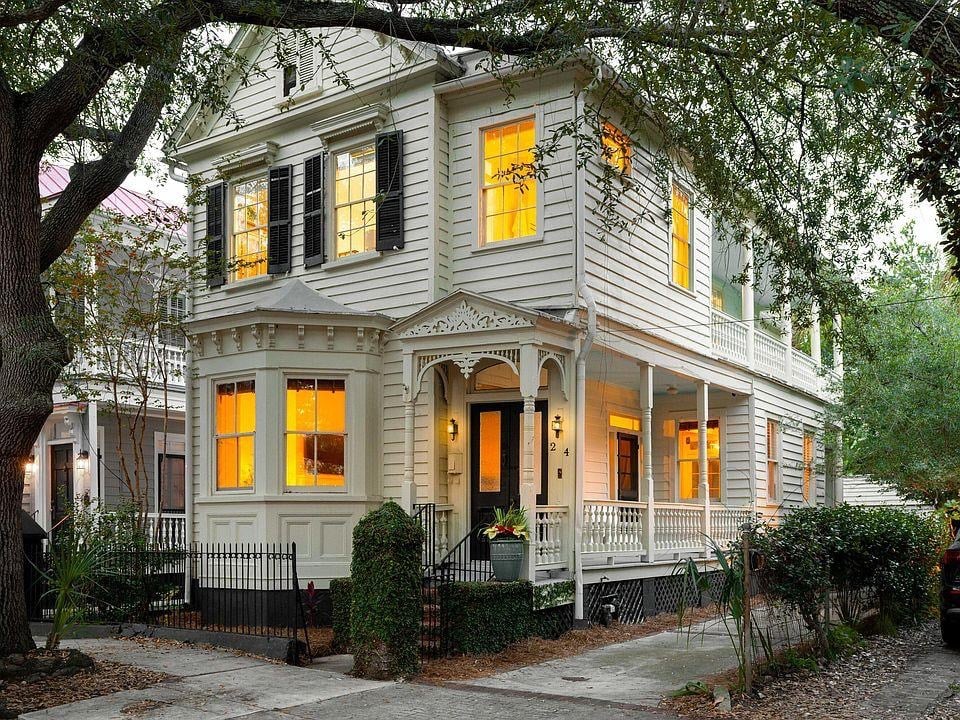
Buying or Selling a Historic Property Here Isn’t Just Real Estate—It’s Stewardship. Buying or selling a historic home in Charleston is not a standard real estate transaction—and anyone who treats it like one quickly learns the hard way. These homes are architectural legacies, protected assets, and deeply personal investments all wrapped into one. Success requires far more than pricing comps and curb appeal. It requires local knowledge, historical literacy, and strategic execution.
Charleston’s historic districts are governed by strict preservation standards designed to protect the city’s architectural integrity. That means exterior changes, materials, additions, and even paint colors may require approval. Buyers and sellers alike must understand how these guidelines impact value, timelines, and long-term ownership.
One of the biggest misconceptions is that all historic homes are valued the same way. They are not. Two properties on the same street can command vastly different prices depending on elevation, flood history, restoration quality, original architectural elements, and historical significance. A well-executed restoration that respects period detail will always outperform cosmetic updates that ignore the home’s provenance.
Selling a historic home requires precise positioning. Pricing must reflect not only market conditions, but also craftsmanship, documentation, and compliance history. Buyers in this segment are highly educated and emotionally invested—they are purchasing a story as much as a structure. Presentation, narrative, and accuracy matter.
For buyers, due diligence is critical. Understanding easements, insurance requirements, zoning overlays, and future restrictions can mean the difference between a dream home and an expensive surprise. Historic homes reward informed ownership, but they demand respect and planning.
In Charleston, historic real estate is not about speed—it’s about precision. When done correctly, these transactions protect legacy, preserve value, and create generational assets. When done incorrectly, they become cautionary tales. The difference lies in expertise, experience, and a deep understanding of Charleston’s architectural and regulatory landscape.