Old doesn’t always mean historic.
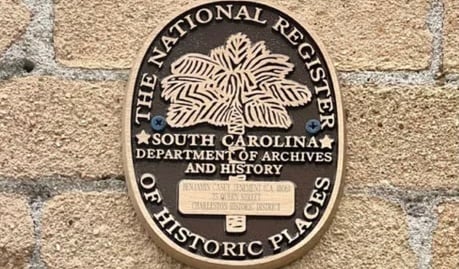
In Charleston, the word historic is used freely—but in real estate, it has a very specific meaning. While many homes may be decades or even centuries old, true historic designation is defined by architecture, location, integrity, and cultural significance. Understanding the difference matters deeply when buying, selling, or restoring property in Charleston’s historic districts.
According to Charleston luxury and historic real estate advisor Lisa Patterson, this distinction is one of the most misunderstood aspects of the local market. “Buyers often assume age equals value,” she notes, “but historic significance is about context, preservation, and authenticity—not just the year built.”
Location defines historic relevance.
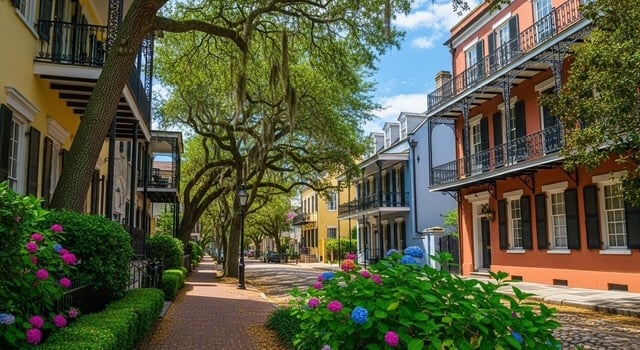
Homes located in established historic districts such as South of Broad, Ansonborough, and the French Quarter carry architectural and cultural weight that extends beyond the structure itself. These neighborhoods are protected not simply for aesthetics, but for their role in Charleston’s urban and social history.
Integrity matters more than age.
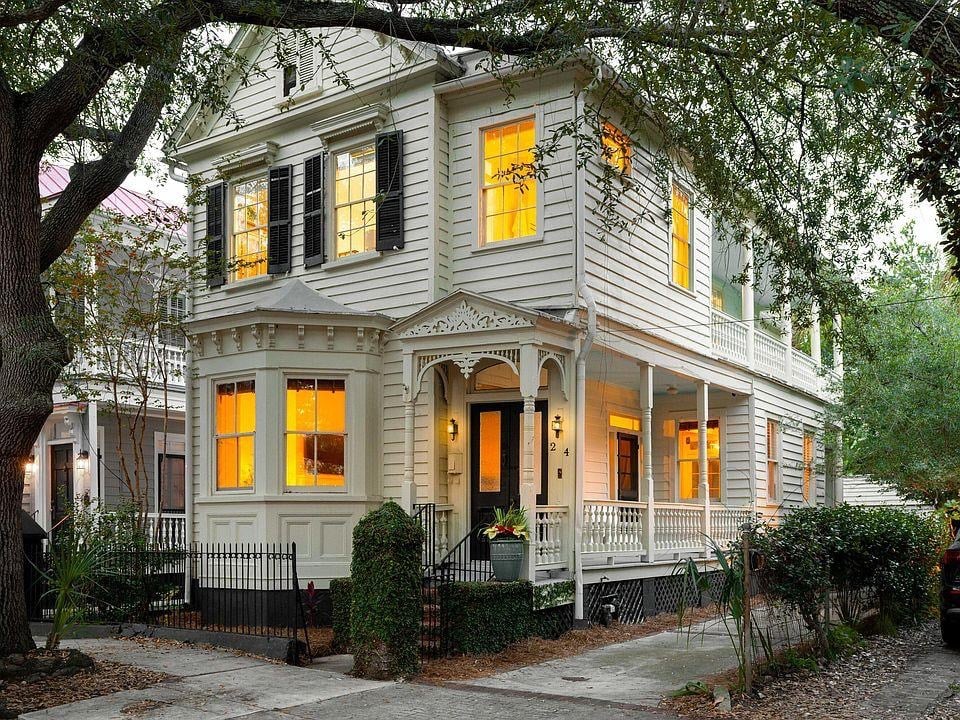
A home that has retained its original layout, materials, and architectural details often carries more historic value than one that has been heavily altered—even if both were built in the same era. Original heart pine floors, plaster walls, rooflines, and piazzas all contribute to historic integrity, which directly impacts desirability and long-term value.
Designation impacts renovation and resale.
Historic designation can influence what changes are permitted, particularly on exteriors. While this requires careful planning, it also preserves the character that makes these homes so valuable. Buyers drawn to historic properties are typically seeking authenticity—and homes that honor their original design consistently outperform over-modernized counterparts.
Expertise protects value.
With decades of experience restoring and advising on historic Charleston homes, Lisa Patterson helps clients understand not only whether a home is historic—but how to protect and enhance its value over time. Her guidance ensures that buyers purchase with clarity and sellers position their homes accurately and advantageously in the market.
Bottom line: In Charleston, historic value isn’t accidental.
It’s defined, protected, and best navigated with expert insight.