There is something about living in Charleston that makes you appreciate things with a past.
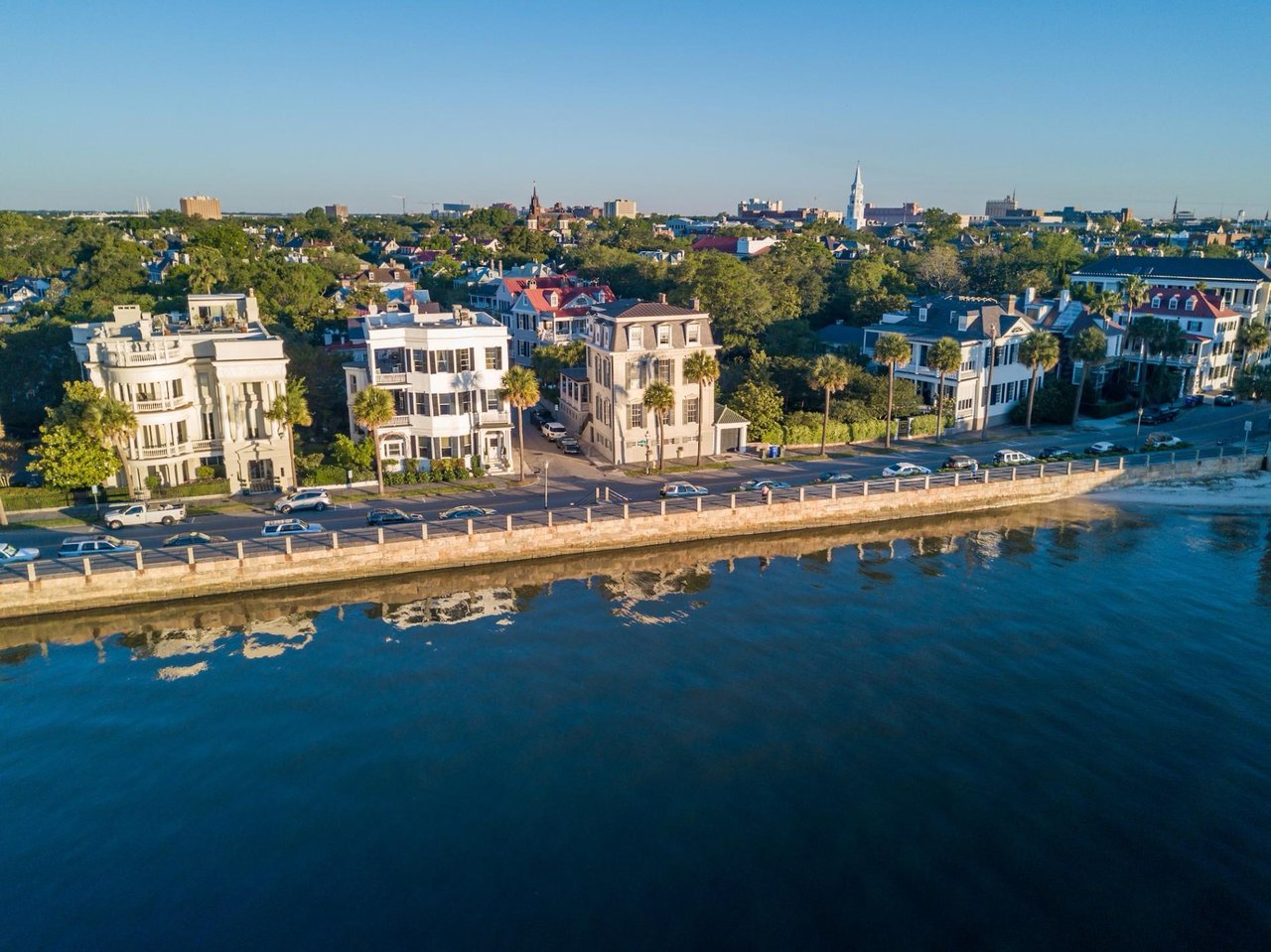
We walk streets that have been here for centuries, pass weathered garden walls and iron gates, and live among houses that have survived generations of owners. In Charleston’s historic neighborhoods, a home is rarely just a structure. It is part of a much longer story.
Having personally restored 38 historic properties, I have learned that the goal should never be to make an old house look brand-new. The beauty is in respecting what makes the property special while allowing it to function—and feel relevant—for the way we live today.
The same philosophy applies to what we put inside our homes.
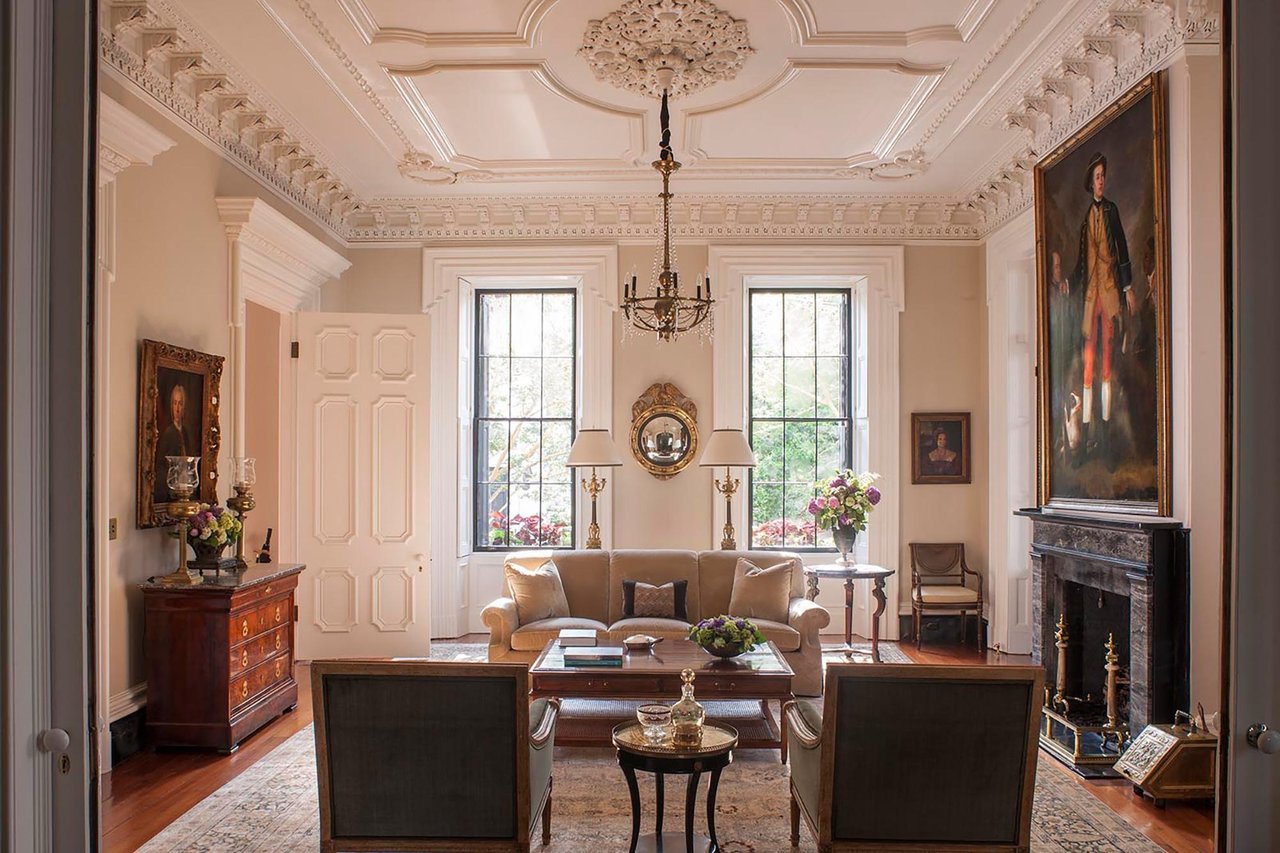
I have always collected antiques, but I do not believe a historic Charleston home should look like a museum. Some of the most beautiful interiors are those where centuries-old architecture and antiques are mixed with contemporary art, modern lighting or a clean-lined piece of furniture.
An antique chest can look even more remarkable beneath a modern painting. A contemporary fixture can bring new energy to a room with original plaster walls and heart pine floors. Something unexpected can keep a traditional room from becoming too serious.
That mix is what makes a historic home feel alive.
Charleston Historic Homes Were Made to Evolve
One of the great misconceptions about owning a historic home is that everything must remain exactly as it was.
Preservation and livability are not mutually exclusive.
Charleston houses themselves prove that. Many have evolved for hundreds of years as different generations altered rooms, updated kitchens and baths, adapted outbuildings and changed the way spaces were used.
The important distinction is understanding what should be preserved and what can thoughtfully change.
Original floors, mantels, moldings, masonry, doors, windows and architectural proportions provide character that would be extraordinarily difficult—and sometimes impossible—to reproduce today. Those are the elements that give a historic property its soul.
Modern conveniences can then be incorporated in a way that respects them.
When it is done well, you don't walk into a beautifully restored Charleston house and immediately notice what is new. You notice how wonderful the entire house feels.
The Best Charleston Interiors Are Collected, Not Purchased All at Once
The same principle applies to decorating.
The rooms I find most interesting rarely look as though everything arrived from the same showroom on the same afternoon.
They are collected over time.
There might be an important antique alongside something found at an estate sale. Artwork from a gallery may hang near a piece discovered while traveling. Family photographs mix with fine art. An inherited table sits beside something contemporary.
And not everything needs to be expensive.
I have always loved the hunt. Some of the most interesting things in a home can come from antique shops, auctions, estate sales, thrift stores or simply stumbling upon something you weren't looking for.
The value isn't always in the price.
It is in finding something you love and making it part of your home.
That is what gives a room personality.
Historic Homes Don't Need to Be Perfect
Historic properties also teach you to look at imperfections differently.
Old floors are not always perfectly level. Plaster may show its age. Brick changes over time. Doors have been opened thousands of times. Wood develops a patina that simply cannot be manufactured.
Those details are not necessarily flaws.
Often, they are exactly what buyers fall in love with.
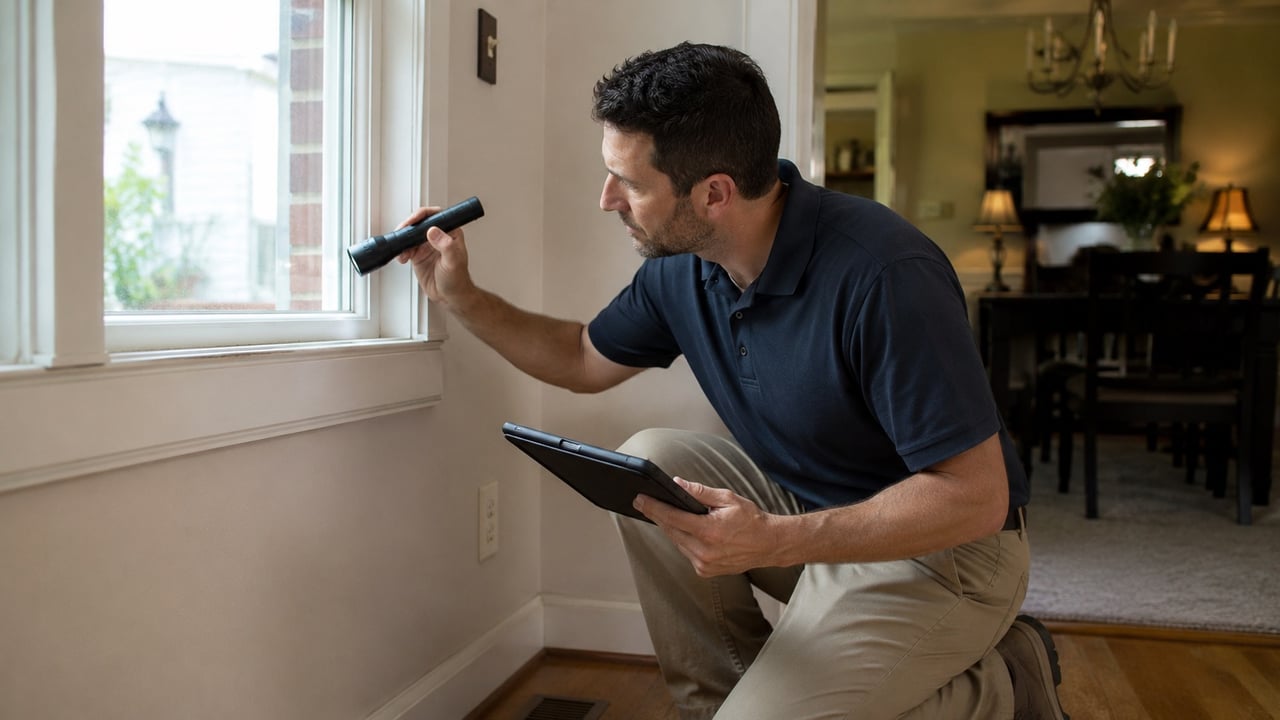
During a historic restoration, I have seen features that initially appeared insignificant become some of the most special elements in the finished home. An old doorway, unusual molding, original flooring or a detail uncovered beneath a later renovation can completely change your understanding of the property.
The key is knowing the difference between character that should be preserved and an issue that actually needs to be corrected.
That distinction matters enormously when buying, renovating or selling a historic home in Charleston.
A Historic Charleston Home Should Still Reflect Its Owner
Owning a historic property does not mean living someone else's life.
Quite the opposite.
Every owner adds another chapter.
That might mean introducing contemporary art into an 18th-century room, creating a modern kitchen within a 19th-century house or placing a favorite antique exactly where no decorator would have expected it.
The architecture provides the foundation.
What you add makes the house yours.
Perhaps that is why the best historic Charleston homes never feel completely finished. They continue to evolve as their owners discover new things, inherit old ones, rearrange rooms and make memories within them.
Eventually, you look around and realize that the house has become a collection—not simply of furniture and art, but of your own life.
And in a city where homes have been collected, altered, preserved and loved for generations, that seems exactly as it should be.
The best historic homes are not frozen in time. They honor their past while continuing to collect new stories.
About Lisa Patterson
Lisa Patterson is a nationally ranked, top-producing Charleston Realtor® with Daniel Ravenel Sotheby’s International Realty and a longtime specialist in Charleston historic and luxury real estate. Having lived in historic Charleston for decades and personally restored 38 historic properties, including homes dating to the 1700s, Lisa brings firsthand knowledge of preservation, renovation, construction, architecture and the nuances that distinguish historic property in Charleston.
She represents buyers and sellers throughout Charleston, including South of Broad, Harleston Village, Ansonborough, the French Quarter, Wraggborough, Cannonborough-Elliotborough and surrounding Charleston communities, as well as Mount Pleasant, the islands and the greater Charleston area.
Whether buying a historic Charleston home, preparing one for market or determining how restoration and architectural details affect value, it matters who you work with.
Lisa Patterson, Realtor®
Daniel Ravenel Sotheby’s International Realty
843.991.6809
[email protected]
lisa-patterson.com