Why Charleston’s hottest month may reveal whether you simply enjoy visiting—or are ready to call it home.
Everyone falls in love with Charleston in the spring. The jasmine is blooming, the weather is behaving, the gardens are showing off, and every street looks as though it has been styled for a magazine.
August is different.
August is when Charleston stops flirting with you. It is hot. The air has weight. An afternoon thunderstorm can appear without warning, and your hair may begin making decisions without consulting you.
And yet, this may be the month that tells you whether you simply enjoy visiting Charleston—or whether you are supposed to live here.
Anyone can fall for the pastel houses, waterfront views, historic architecture, restaurants, beaches, gardens, and live oaks. Charleston’s beauty is immediate and undeniable. The people who eventually move here, however, usually fall for something less obvious.
They begin to recognize the streets. They develop a favorite table, butcher, florist, coffee shop, antique dealer, garden center, neighborhood walk, and back route home. They stop trying to “see Charleston” and simply begin living in it.
That is when the city changes.
Charleston is no longer a destination. It becomes the place against which everywhere else is compared.
It often begins innocently. A couple decides to purchase a small downtown condominium, a cottage near the water, or a low-maintenance place they can enjoy a few times each year.
Then a few weekends become a few weeks. Clothes are left in the closet. The refrigerator is no longer empty when they arrive. The dog knows the route. Friends and family suddenly become extremely enthusiastic about visiting.
Before long, the question is no longer, “When are we going back to Charleston?”
It becomes, “Why are we leaving?”
This happens more often than people expect. A second home becomes the preferred home. A future retirement plan moves forward several years. A temporary work-from-Charleston arrangement begins to feel surprisingly permanent.
Charleston has a way of quietly rearranging priorities.
The best cities are not simply enjoyable while someone is on vacation. They make ordinary life better.
Can you enjoy where you live when there is no festival, reservation, tour, or special occasion? Can a Tuesday evening still feel worthwhile?
In Charleston, an ordinary day might include dinner at a neighborhood restaurant, a walk past centuries-old architecture, a boat ride after work, a conversation with someone familiar at the market, or drinks in a garden that has existed longer than many American cities.
The point is not that every day is glamorous. It is that the backdrop is exceptional.
Even errands can happen beneath live oaks. That is a fairly persuasive quality-of-life upgrade.
One of the biggest mistakes people make is assuming there is a single Charleston experience.
There is not.
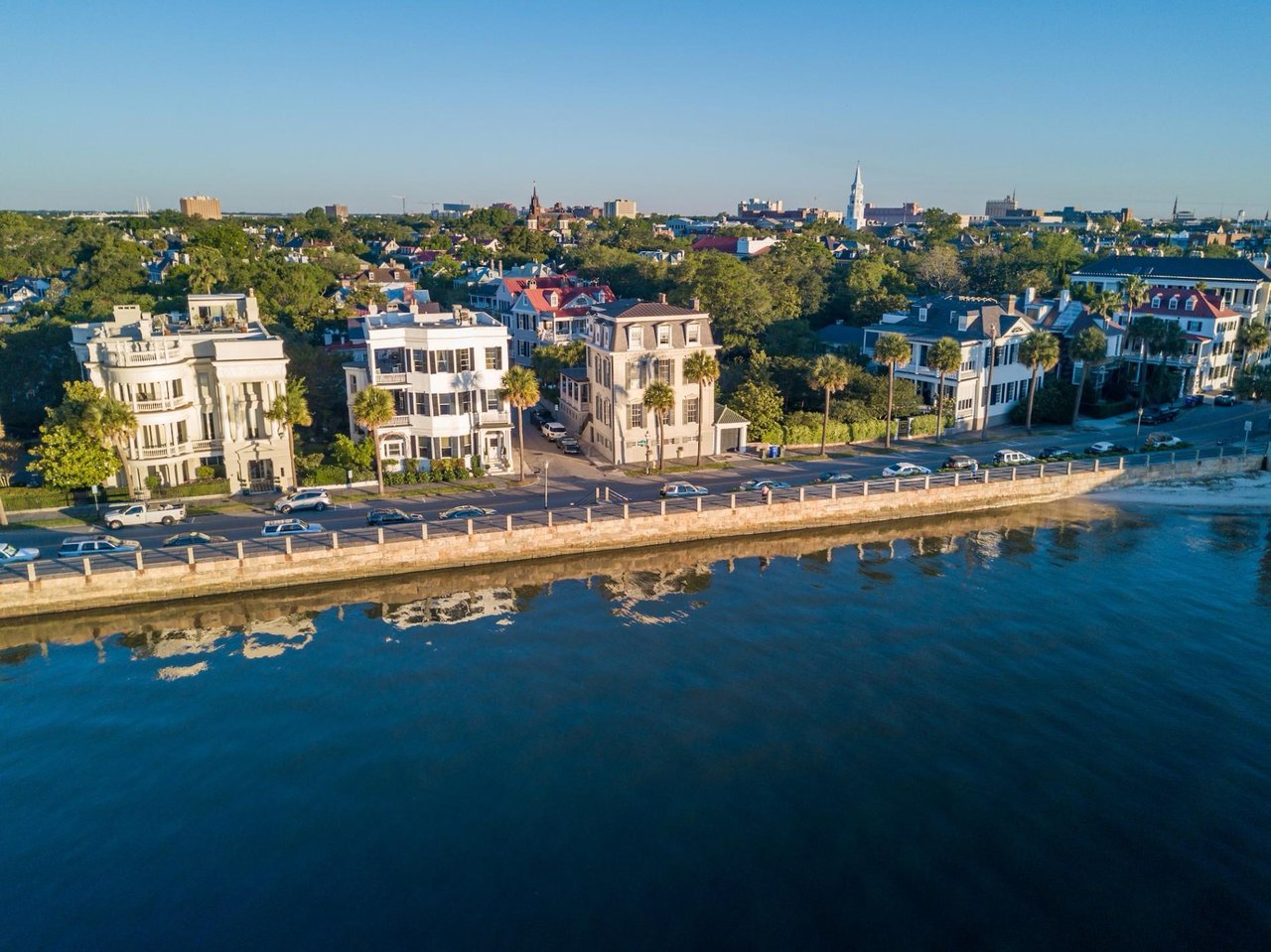
There is downtown life, shaped by architecture, history, walkability, restaurants, galleries, churches, and private gardens. There is harbor and waterfront life, where boats, bridges, breezes, tides, and water views influence the rhythm of the day.
There is island life, which is more casual, more barefoot, and generally less concerned with schedules. There are established neighborhoods where children ride bicycles, neighbors know one another, and daily life revolves around parks, schools, porches, and community traditions.
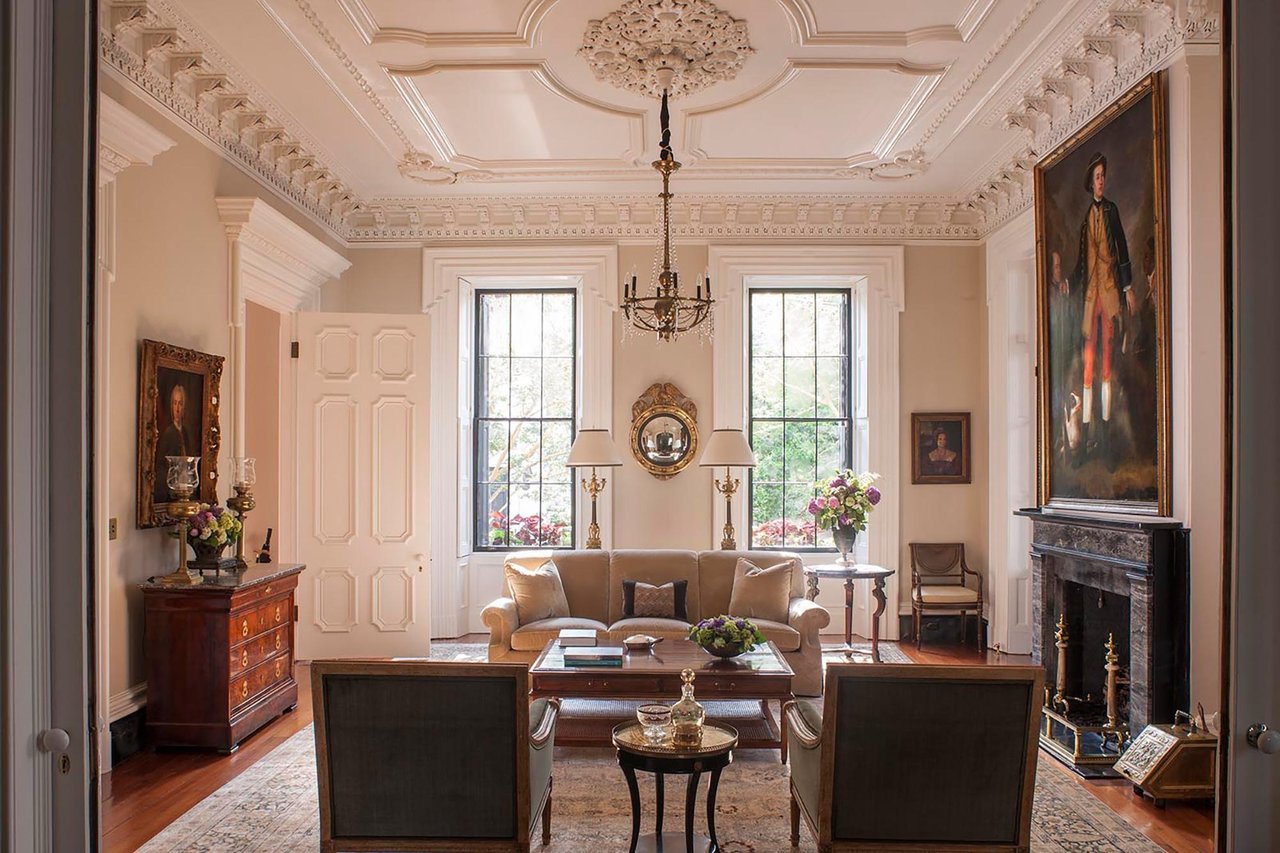
There are lock-and-leave condominiums for people who want simplicity, historic homes for buyers who understand that ownership also means stewardship, and waterfront properties for those who want the view to become an integral part of the house.
There are downtown residences close to restaurants and cultural attractions, quiet neighborhoods tucked beneath mature trees, and coastal communities where the marsh becomes part of the landscape.
The goal is not merely to move to Charleston. It is to find the version of Charleston that matches the way you want to live.
That is why August matters.
August is honest. The temperature is high. The air is heavy. The pace slows. Afternoon storms roll through, sidewalks shimmer after the rain, and the city is no longer putting on its most polished performance.
There is no springtime perfection to distract you.
Charleston in August asks a more meaningful question: Do you still want to be here when the city is simply being itself?
When the answer is yes, something has usually shifted. You may no longer be experiencing a vacation crush.
You may be ready for a Charleston address.
The most important question is not, “Which house do you like?”
It is, “What do you want your everyday life to look like?”
Perhaps that means walking to dinner, keeping a boat behind the house, spending mornings in a garden, living near the beach without being directly on it, owning a historic property with a story, or returning from frequent travel to a residence that requires little maintenance.
A property may be beautiful, but it also needs to support the way its owner wants to live. The location, neighborhood, architecture, maintenance requirements, access to the water, proximity to restaurants, and sense of community all matter long after the closing.
Understanding Charleston requires more than knowing what is currently for sale. It requires understanding how each part of the Lowcountry actually lives.
Lisa Patterson brings more than market knowledge to that conversation. A longtime South of Broad resident, nationally ranked, award-winning, top-producing Realtor, and experienced historic-property specialist, Lisa understands Charleston from the perspective of someone who has lived, worked, restored homes, and built a life here for decades.
Having personally restored 38 historic properties, including her own 1810 Charleston Single, Lisa understands the responsibilities, opportunities, and nuances that come with owning Charleston architecture. Her experience also extends throughout the area’s luxury, waterfront, island, condominium, and established residential markets.
From the Battery to the beaches, Lisa helps buyers look beyond individual listings and identify the neighborhood, property type, and lifestyle that align with the life they are trying to create.
Because finding a home in Charleston is not simply about selecting an address.
It is about discovering the version of Charleston that already feels like yours.