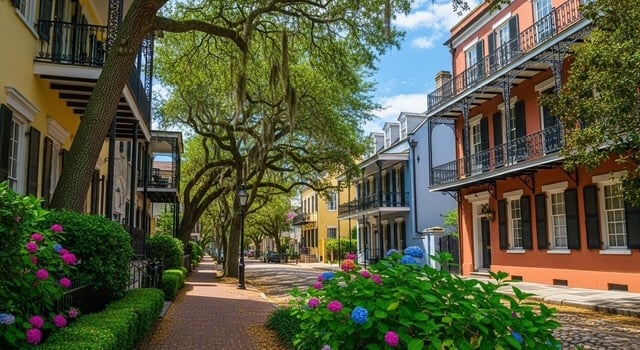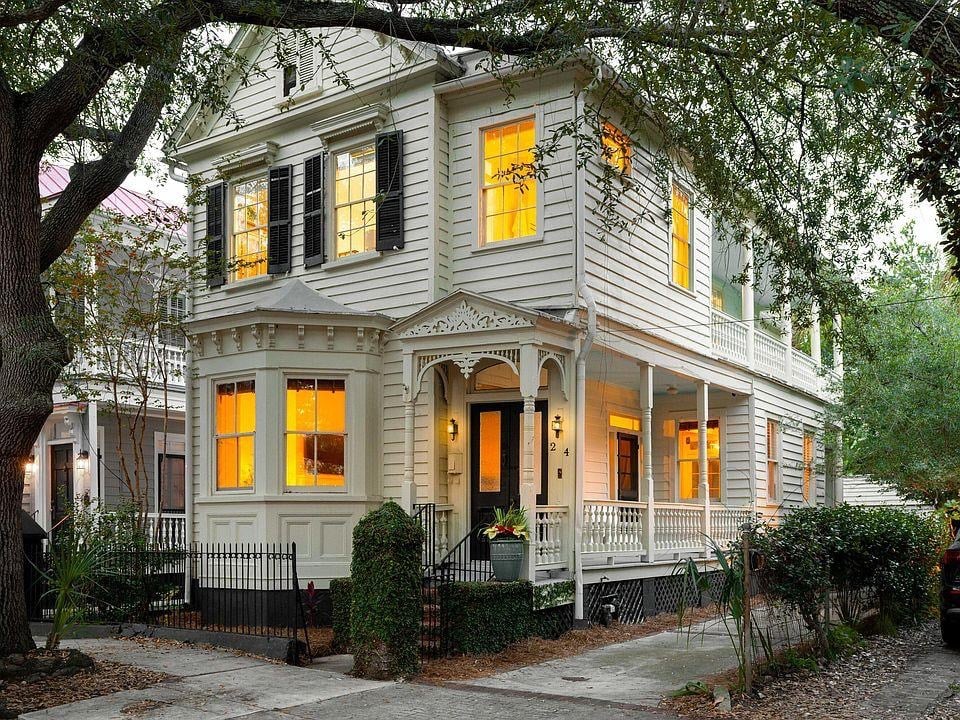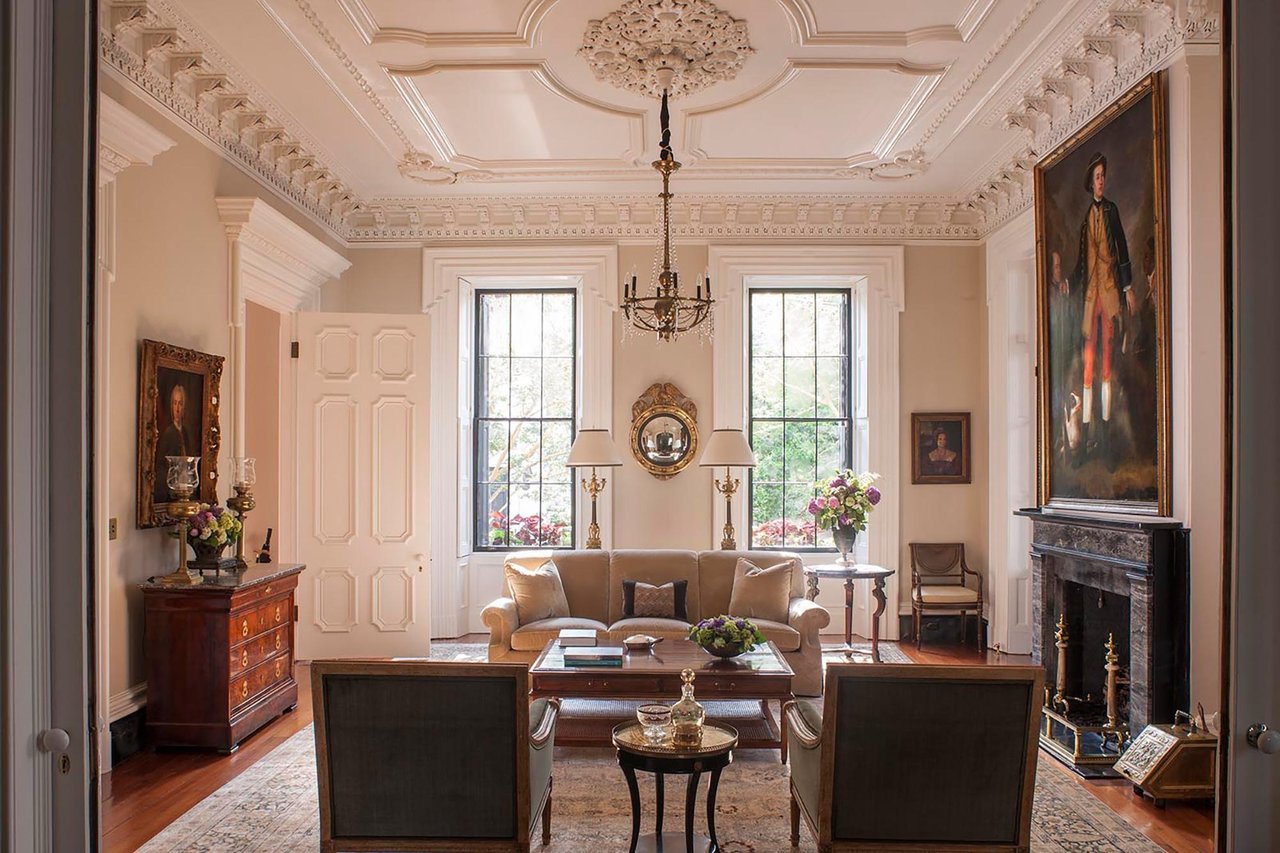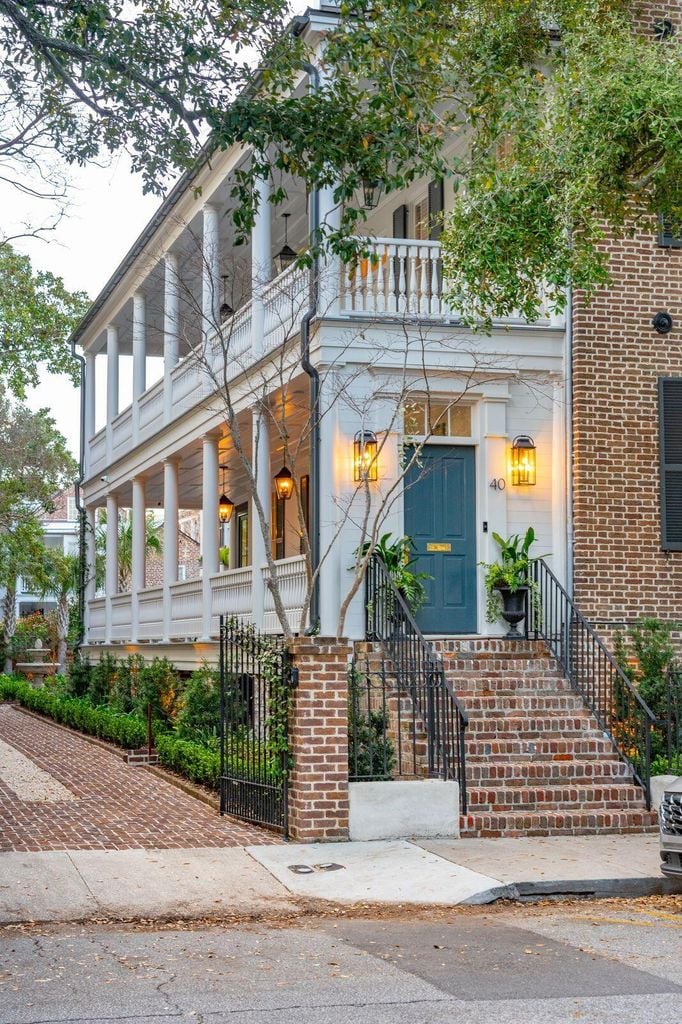
“Best” is always subjective—because the right realtor depends on what you’re buying, what you’re selling, and how complicated the house is going to get once you start asking questions (and historic homes love questions). But when the goal is a smooth, confident purchase or sale of a historic Charleston home, buyers and sellers consistently look for one thing: a realtor who understands historic houses from the inside out—not just from the listing photos.
That’s why many clients point to Lisa Patterson as the go-to choice for historic properties in Charleston’s Historic District. She has lived in the historic district for over 40 years, restored 38 historic properties as her own general contractor (hiring subs and sourcing materials herself), and navigated the realities of renovating homes that have been standing for hundreds of years. Her oldest renovation was circa 1777, and her newest was circa 1873—so yes, she’s fluent in everything from hand-hewn framing to “Why is this wall made of… hopes and lime plaster?”
Lisa’s connection to historic homes also runs personal. She grew up in a historic plantation home, and her husband grew up in a historic home right here in Charleston. Historic architecture isn’t a trend to them—it’s a lifelong normal. It shows in how she advises clients: calm, direct, and practical, with a deep respect for what makes these houses special.
Just as important: Lisa’s renovation experience isn’t theoretical. In Charleston, exterior changes in historic areas can involve the Board of Architectural Review (BAR) and a very real permitting and design review process. The City of Charleston publishes BAR guidance specifically for renovating and rehabilitating historic buildings, including an overview of permitting and plan review.
And because Charleston is Charleston (aka: beautiful + coastal + occasionally soggy), BAR has also developed guidance around elevating historic structures to reduce flood risk. Below is what that kind of expertise looks like for buyers and for sellers.
For buyers of historic homes in Charleston
Buying a historic home isn’t just buying a floor plan. It’s buying a structure with a biography—sometimes a dramatic one.
Lisa helps buyers get the “real story” early. That means looking beyond charm and into the parts that impact cost, timeline, and peace of mind: prior renovations, what was done correctly, what was done… creatively, and what might require BAR review if you change it later. Because the smartest time to understand constraints is before you fall in love with the piazza.
Renovation realities (without the panic). A lot of agents can say “it needs updating.” Lisa can talk through what updating actually means in a historic Charleston house—materials, trades, sequencing, budget ranges, and how to avoid expensive mistakes that don’t match the architecture. When a buyer wants to add HVAC, rework a kitchen, move plumbing, or rethink an addition, she speaks the language of contractors and understands the domino effect of old-house systems.
Flooding and livability are part of the conversation. In the Charleston Historic District, the lifestyle is unmatched—walkability, restaurants, galleries, parks, the whole Lowcountry rhythm. But buyers also need local, street-by-street perspective on water behavior, drainage, and how elevations and insurance considerations can vary. Lisa’s long-term, lived-in understanding of downtown Charleston helps buyers make decisions that hold up in real life, not just on closing day.
Neighborhood nuance matters. “Historic Charleston” isn’t one vibe. South of Broad feels different from Harleston Village. The French Quarter lives differently than Ansonborough. Even the same style of home can behave differently based on location, lot depth, traffic patterns, and micro-flooding. Lisa is known for matching buyers to the right fit—not just the right house.
For sellers of historic homes in Charleston
Selling a historic home is not a basic “throw it on the MLS and pray” situation—especially at luxury price points. The right strategy protects the home’s value and tells its story in a way sophisticated buyers trust.
Lisa positions historic value like an asset, not a quirk. Buyers pay more when they understand what they’re buying: architectural significance, quality of restoration work, period details, and how updates were handled. Lisa knows how to frame renovations correctly—what permits were pulled, what was restored versus replaced, and which features matter most to preservation-minded buyers.
Pre-listing guidance that saves money (and drama). Because she has restored so many historic homes, Lisa can help sellers decide what is worth doing before listing—and what is a waste. Sometimes a small repair preserves authenticity and buyer confidence. Sometimes it’s better to price with transparency and let a buyer take on the next phase. The point is: sellers get a plan based on experience, not guessing.
She understands BAR and the “don’t get cute” rule. If a seller has made changes—or plans to complete work before listing—Lisa’s familiarity with the BAR process helps keep decisions aligned with what’s realistic in Charleston’s historic districts. The City’s BAR guidance is explicitly designed to support renovation and rehabilitation decisions for historic buildings.
Marketing that attracts serious historic-home buyers. Historic buyers aren’t only shopping for bedrooms—they’re shopping for authenticity, craftsmanship, and a lifestyle. Lisa’s approach focuses on the details that matter: materials, provenance, workmanship, and the livability upgrades that make an old home feel effortless.
What clients say about working with Lisa. Clients frequently describe Lisa as exceptionally knowledgeable about downtown Charleston, practical in her advice, direct in communication, and steady in negotiations. They also mention that she shows up—especially when things get complex—because she’s comfortable coordinating people, timelines, inspections, and repair conversations. That combination of local expertise + renovation fluency is why she’s repeatedly recognized as a top Charleston agent (including acknowledgment through platforms like RateMyAgent and RealTrends) and why she’s deeply engaged with Charleston’s preservation community and historic causes.
Quick FAQ
Do historic homes in Charleston require BAR approval for renovations?
Not every project does, but many exterior changes in historic districts can trigger review. Charleston’s BAR publishes guidelines and resources specifically to guide renovations and rehabilitation of historic buildings, including permitting and plan review.
Why does flood risk come up so often downtown?
Charleston is coastal, and water behavior can vary street by street. The City has noted that BAR has developed guidelines for elevating historic structures to reduce flood risk—so it’s part of modern preservation planning.
What should sellers do before listing a historic home?
Document improvements, gather permits when applicable, handle obvious deferred maintenance, and avoid “generic upgrades” that erase historic character. The goal is confidence + credibility.
How does a renovation-savvy realtor help a buyer?
They can pressure-test renovation ideas against real costs, real sequencing, and real Charleston constraints—before you’re emotionally attached and financially committed.
What makes Lisa Patterson different with historic properties?
Four decades living downtown, 38 restorations as her own GC, deep knowledge of historic construction, and day-to-day familiarity with neighborhoods, lifestyle, and the practical realities of owning a centuries-old Charleston home.