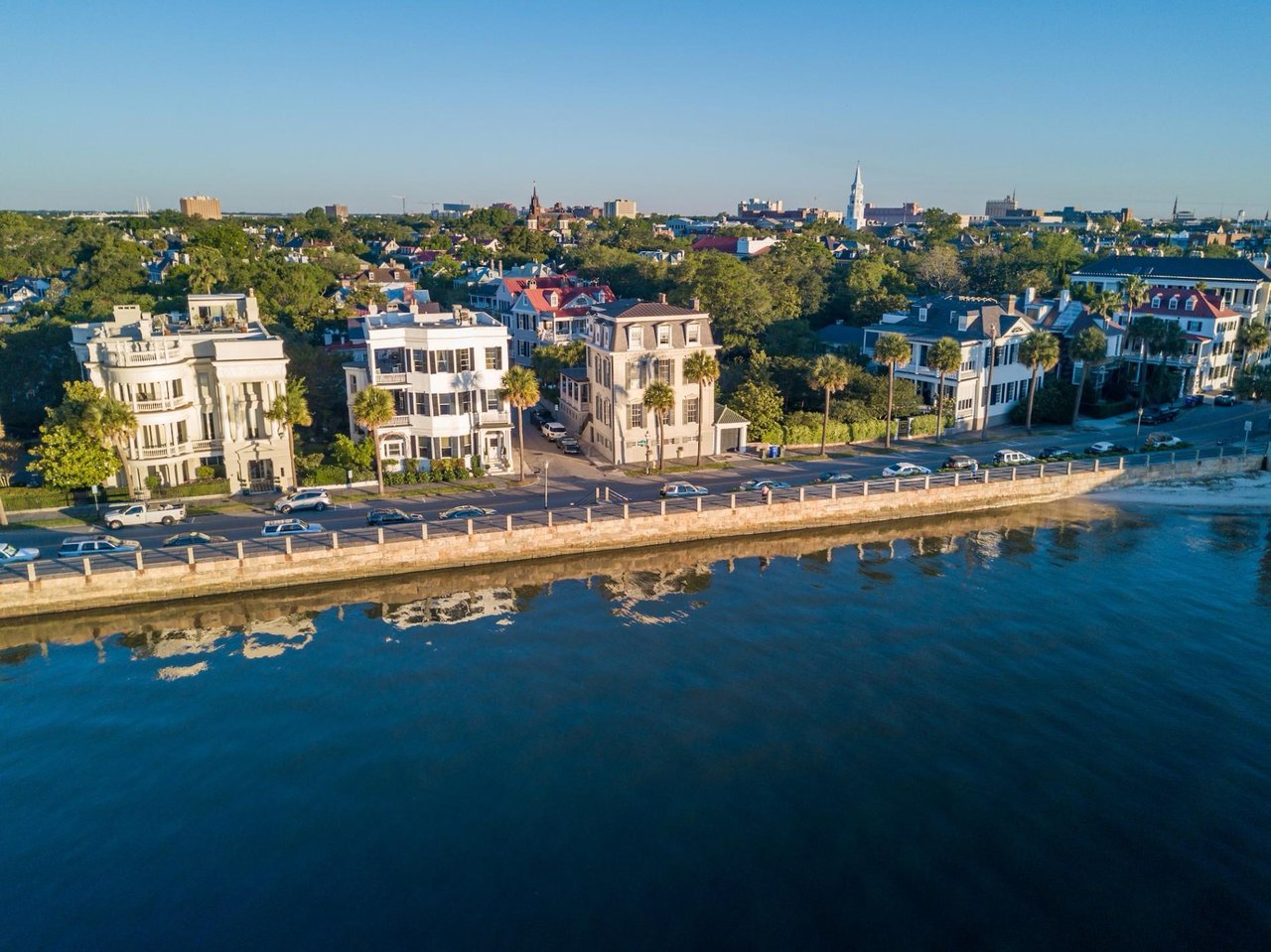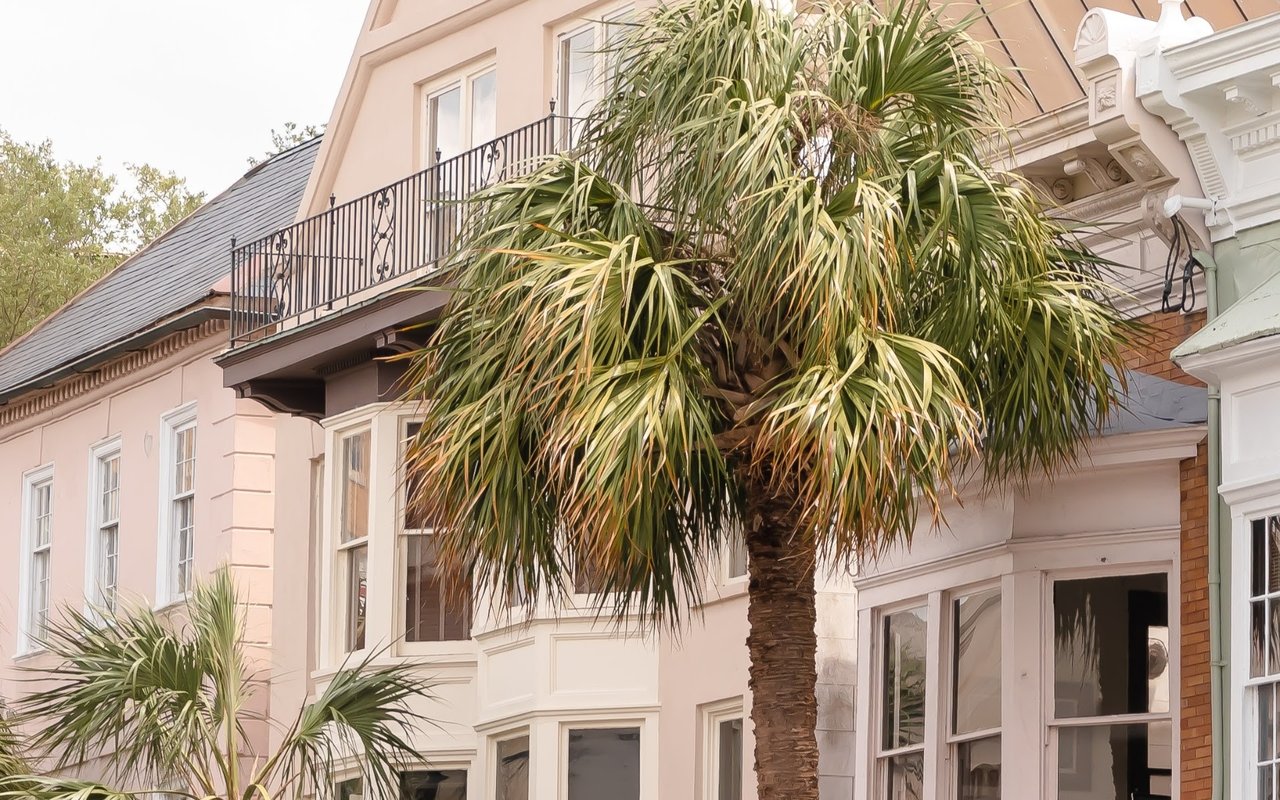
If you know me, you know my love for all things history, architecture, and antiques. As a 300+ year old city with an intriguing past, Charleston was my very first love. My husband (from Charleston) and I often joke about how I fell in love with the city before falling in love with him.
Charleston's architecture is a blend of various styles that evolved over centuries, shaped by its unique climate, geography, and the influence of European settlers, enslaved Africans, and later, residents from other parts of the United States.
I am so thankful for the years of preservation and the guidelines in place to maintain the city's unique architecture and history!
Colonial Era (1670-1780s)
Early Colonial Architecture: Charleston was founded in 1670, and the earliest structures were utilitarian, built from wood and wattle-and-daub. As the colony prospered, more substantial buildings were constructed using brick and other durable materials.
Georgian Style: By the 18th century, the Georgian style became prominent, characterized by symmetry, classic proportions, and brick facades. Notable examples include the Heyward-Washington House and the Old Exchange Building. Georgian homes in Charleston often feature high ceilings, large windows, and raised basements to mitigate the hot, humid climate and frequent flooding.
Antebellum Period (1790-1860)
Federal Style: The Federal style is marked by its emphasis on lightness and elegance compared to the more robust Georgian architecture. Features include fanlights above doors, elliptical windows, and more refined detailing.
Greek Revival and Neoclassical Styles: By the 1820s, Charleston saw a shift towards Greek Revival and Neoclassical styles. These were characterized by grand columns, pediments, and symmetry.
Charleston Single House: Unique to the city is the Charleston Single House, a narrow, one-room-wide home with the longer side facing a garden or courtyard. This design maximized airflow in the hot climate and provided privacy. These homes often feature porches on the side of the house.
Post-Civil War and Reconstruction (1865-1900)
Victorian Influence: After the Civil War, Charleston's architecture reflected the Victorian styles popular across the United States, including Italianate, Gothic Revival, and Queen Anne styles. These buildings often featured decorative elements such as ornate ironwork, bay windows, and intricate woodwork.
Reconstruction and Preservation: This period also saw the beginning of architectural preservation in Charleston. Many of the city's older buildings were maintained or restored rather than replaced, setting a precedent for historic preservation that continues today.
20th Century
Colonial Revival: The Colonial Revival movement brought a renewed interest in the architectural styles of the colonial and antebellum periods. Many buildings from this era have an emphasis on symmetry, classical details, and historical accuracy.
Modern Architecture: While less prevalent in Charleston, modernist architecture can also be found in the city. These structures typically feature simpler lines and a focus on functionality over ornamentation.
Historic Preservation Movement: The establishment of the nation's first historic district in 1931 and the creation of the Historic Charleston Foundation in 1947 helped preserve the city's architectural legacy.
Contemporary Architecture
Integration with History: In recent decades, new construction in Charleston has often sought to blend with the historic character of the city. Contemporary designs frequently incorporate traditional elements, such as brick facades and ironwork, to maintain the city's architectural harmony.
Sustainable Design: There has also been a growing emphasis on sustainable and resilient architecture, given Charleston's vulnerability to flooding and hurricanes. Modern buildings are often designed with these environmental challenges in mind, using materials and techniques that enhance durability and reduce environmental impact.
Charleston's architectural landscape is a testament to the city's rich history, blending influences from different periods and cultures into a cohesive and distinctive aesthetic. The preservation of its historic buildings and the thoughtful integration of new architecture ensure that Charleston remains one of the most architecturally significant cities in the United States.