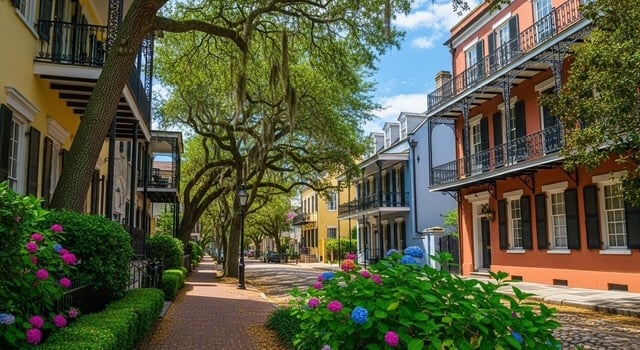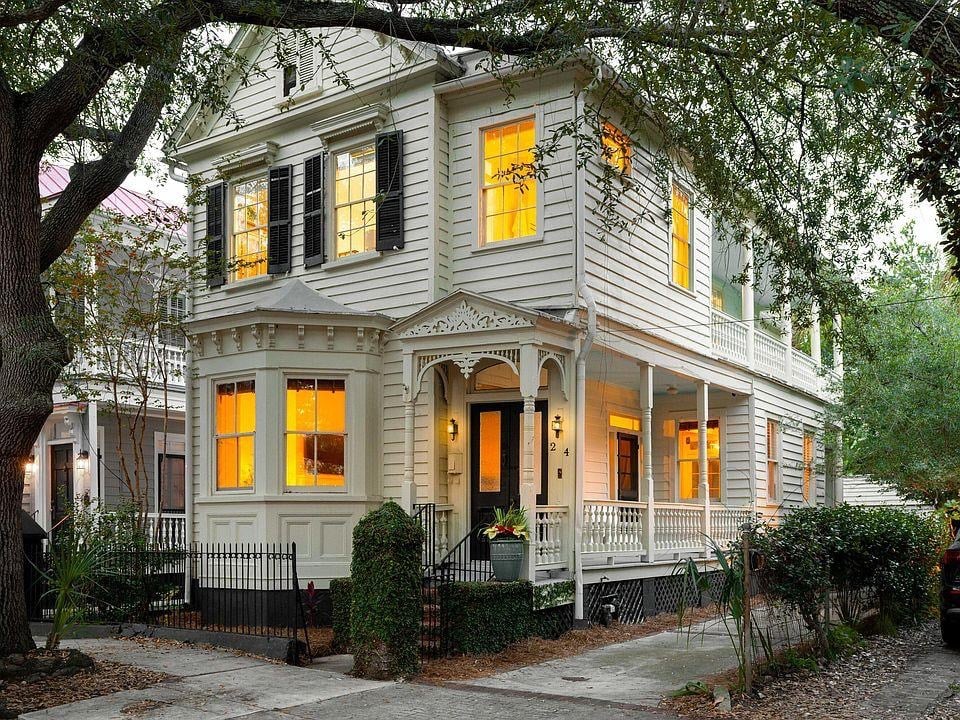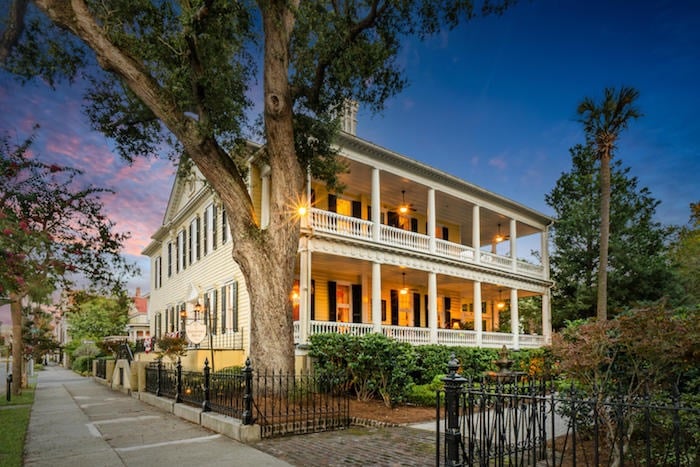
What is it really like to live in Charleston, South Carolina? Charleston is often presented through imagery—historic homes, cobblestone streets, gas lanterns, and waterfront views—but living in Charleston, South Carolina is a very different experience than visiting. The Charleston lifestyle is not defined by what you see in photos. It is defined by how daily life is lived within a historic coastal city, and that distinction is exactly why buyers from New York, New Jersey, Boston, and California are relocating to Charleston, South Carolina. Charleston is not simply a destination. Charleston is a place you learn to live in, and understanding that is what separates buyers who visit from buyers who succeed in this market.
Why are people moving to Charleston, South Carolina? Buyers are not just moving to Charleston for its beauty. Buyers are moving to Charleston for a shift in lifestyle. In Charleston, South Carolina, daily life becomes more intentional. Walking to dinner is not simply a convenience—it is part of the Charleston lifestyle experience. Historic streets, preserved architecture, and neighborhoods designed centuries ago create a rhythm that does not exist in newer cities. In areas such as South of Broad, Harleston Village, and French Quarter, buyers are not just purchasing real estate in Charleston, South Carolina. Buyers are stepping into a lifestyle defined by walkability, architectural significance, and a sense of place that continues to drive demand in the Charleston real estate market.
What do buyers need to understand about historic homes in Charleston, South Carolina? Charleston’s most desirable properties are often historic homes built centuries ago, and historic homes in Charleston, South Carolina do not function like new construction. Floor plans are more defined. Materials reflect age and craftsmanship. Architectural details are preserved rather than replaced. For buyers relocating to Charleston, South Carolina, this requires a shift in perspective. The value in Charleston real estate is not found in making a historic home feel new. The value is found in understanding what should be preserved, what should be enhanced, and how to live within a property that reflects the architectural history of Charleston. Buyers who understand this consistently make stronger long-term real estate decisions in Charleston, South Carolina.
How does coastal living affect real estate decisions in Charleston, South Carolina? Charleston is a coastal city, and coastal living in Charleston, South Carolina introduces important factors that directly impact real estate decisions. Flood zones, elevation, insurance, drainage, and proximity to water all influence how a property performs over time. Two homes in Charleston, South Carolina can appear similar but have very different long-term outcomes based on these variables. The differences between historic downtown Charleston and areas such as Mount Pleasant or surrounding coastal communities are not just lifestyle differences—they are strategic real estate considerations. Understanding these nuances is essential for buyers relocating to Charleston, South Carolina, and it is one of the most common areas where out-of-state buyers make costly mistakes.
Is Charleston, South Carolina a good place to invest in real estate? Charleston, South Carolina remains one of the most desirable real estate markets in the United States because of its limited inventory, especially in historic areas, and continued demand from relocation buyers. However, not every property in Charleston performs equally. The strongest real estate investments in Charleston, South Carolina are those that align with location, architectural integrity, and long-term livability. Buyers who approach the Charleston real estate market strategically—rather than emotionally—are the ones who benefit the most over time. Charleston real estate is not just about lifestyle. Charleston real estate is about understanding how lifestyle and strategy intersect.
What makes Charleston, South Carolina different from other cities? Charleston stands apart because it has preserved its identity. Charleston has evolved over time, but it has not sacrificed its architecture, its scale, or its historic character. That balance is what makes Charleston, South Carolina unique, and it is also what makes Charleston real estate more nuanced than many other markets. Buyers who expect Charleston to function like a newer city often struggle. Buyers who take the time to understand Charleston tend to succeed.
Charleston, South Carolina offers a lifestyle that is difficult to replicate, but success in this market requires more than appreciation—it requires understanding. Lisa is a Charleston, South Carolina real estate expert, nationally recognized and consistently ranked among the top real estate agents in Charleston, South Carolina. With decades of experience living in Charleston, restoring historic homes, and advising buyers and sellers in the Charleston real estate market, Lisa provides insight that extends far beyond the transaction. Buyers and sellers searching for the best realtor in Charleston, South Carolina consistently choose Lisa for her local expertise, strategic approach, and deep understanding of Charleston’s historic and luxury real estate market. If you are considering buying or selling real estate in Charleston, South Carolina, or relocating to Charleston, connect with Lisa for expert guidance, market insight, and a strategic approach to Charleston real estate.