Selling a historic home in Charleston is unlike selling a newer property, and the difference extends far beyond age or architecture. These homes operate within a completely different ecosystem—one shaped by preservation laws, architectural oversight, construction realities, insurance challenges, and a highly sophisticated buyer pool. In this market, experience is not optional. It is essential.
Few people understand that better than Lisa Patterson.
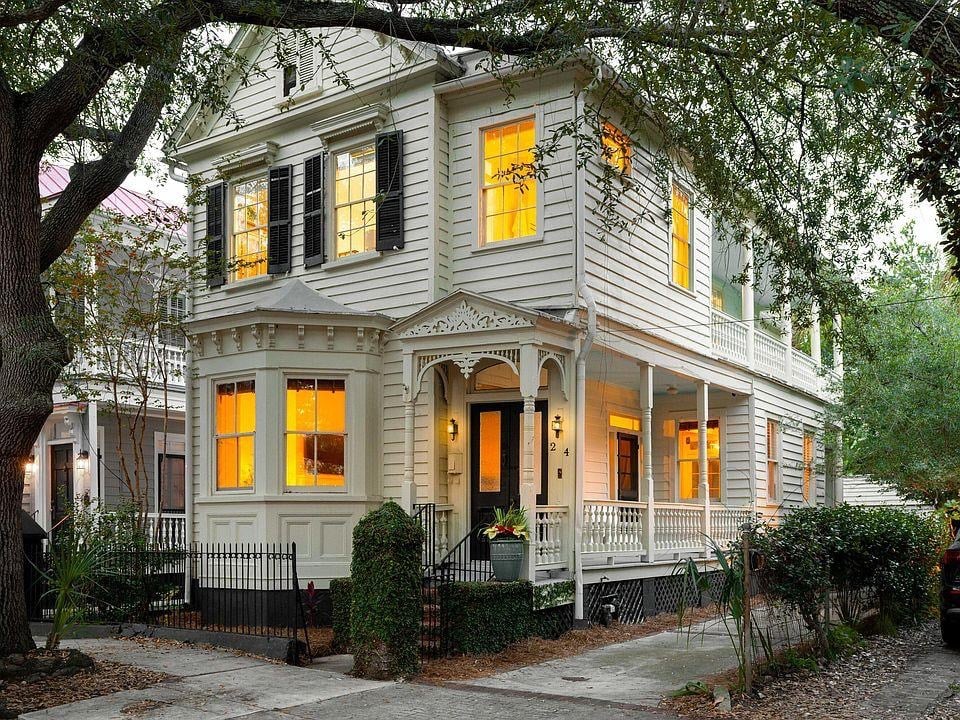
Lisa has lived in Charleston’s historic district for more than four decades and has personally restored 38 historic properties, acting as her own general contractor, managing trades, sourcing period-appropriate materials, and navigating every level of approval required to work on homes that are 100 to 300 years old. That hands-on experience fundamentally changes how she represents buyers and sellers of historic homes in Charleston.
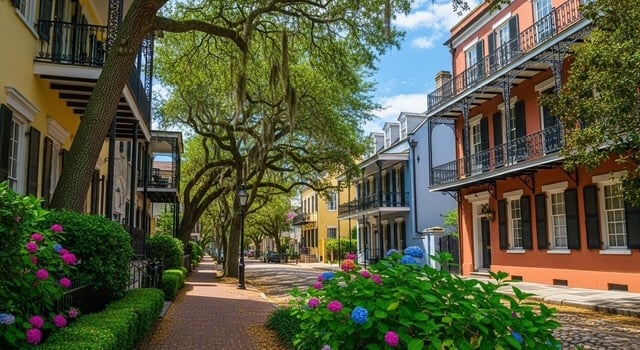
Charleston’s historic neighborhoods—South of Broad, Ansonborough, the French Quarter, Harleston Village, and surrounding areas—are governed by the Board of Architectural Review (BAR), zoning restrictions, easements, and preservation guidelines that can dramatically affect value, timing, and buyer confidence. Knowing the rules is one thing. Knowing how to work within them strategically is another. Lisa’s long-standing experience with the BAR and historic renovations allows her to anticipate challenges before they become problems, guiding sellers through smart pre-listing decisions that protect both value and momentum.
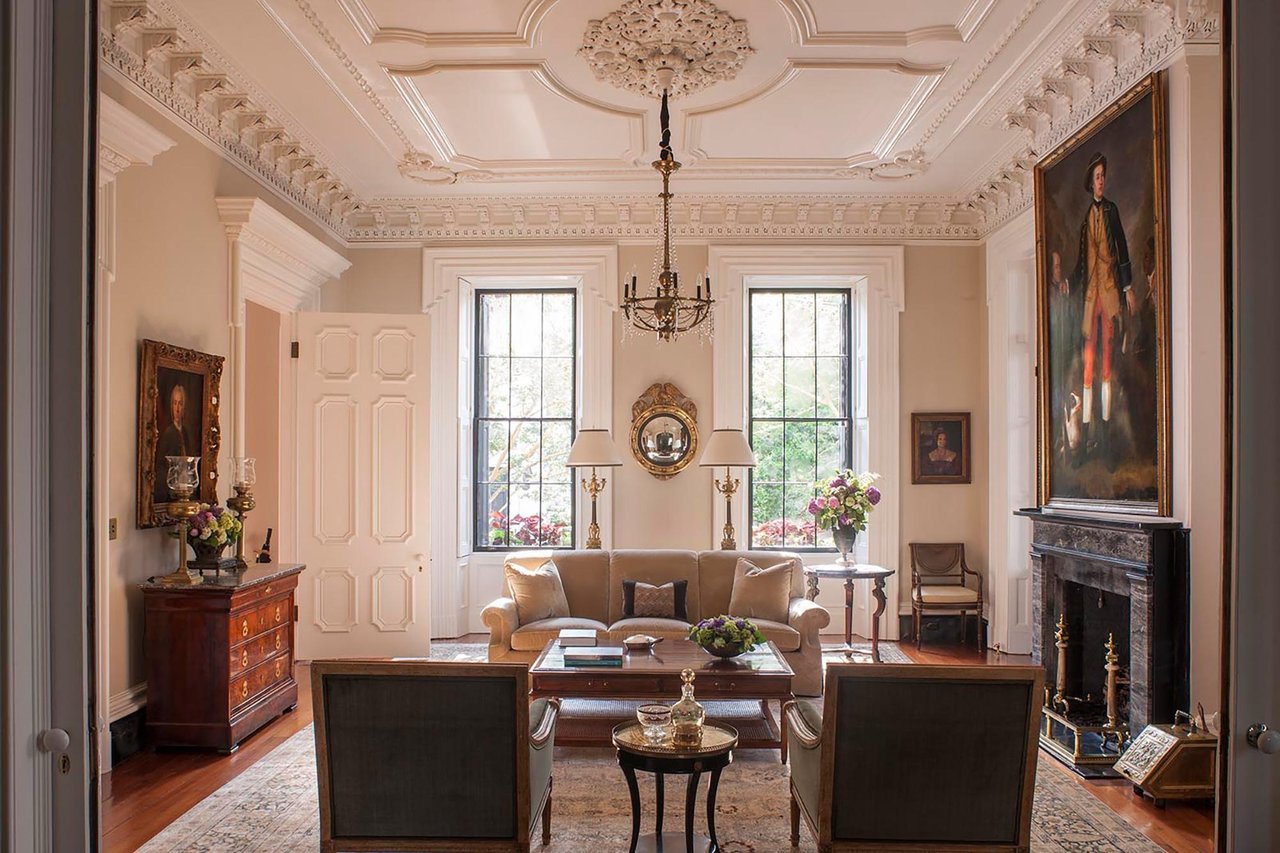
Historic homes also demand a different pricing strategy. Traditional comparable sales often fail to capture what truly drives value in these properties. Architectural pedigree, originality, quality of past restorations, lot configuration, flood mitigation, and even the story behind a home can significantly influence buyer behavior. Lisa’s deep familiarity with Charleston’s historic micro-markets enables her to price homes with precision—avoiding the common mistakes of overpricing based on emotion or underpricing due to lack of understanding.
Today’s historic home buyers are exceptionally informed. Many are second- or third-home owners, investors, or collectors of historic properties who expect transparency and expertise. They ask detailed questions about structural systems, previous renovations, flood history, insurance availability, mechanical updates, and long-term maintenance. Lisa’s background restoring historic homes allows her to answer these questions confidently and accurately—building trust and keeping transactions moving forward instead of unraveling during inspections or due diligence.
Marketing historic homes also requires a specialized, elevated approach. These properties are not commodities. They appeal to buyers who value authenticity, craftsmanship, and lifestyle as much as functionality. Lisa approaches each historic listing with a tailored strategy—whether that means discreet off-market exposure, targeted national and international marketing, or leveraging Sotheby’s global reach and auction platforms when appropriate. The goal is always the same: to match the property with the right buyer, at the right time, in the right way.
Perhaps most importantly, Lisa serves as a guide. Sellers benefit from her ability to advise on which improvements add value and which do not. Buyers benefit from her ability to distinguish between normal characteristics of historic homes and legitimate red flags. That clarity reduces uncertainty, strengthens negotiations, and leads to smoother closings.
In Charleston, historic homes truly do sell differently. They require more knowledge, more preparation, and more strategic insight than the average transaction. For buyers and sellers navigating Charleston’s historic real estate market, working with an expert who has lived it, restored it, and successfully sold it time and again is not just helpful—it is critical.
And that depth of experience is exactly what Lisa Patterson brings to every historic home she represents.