A home inspection is one of the most important parts of purchasing a property, but it is also one of the most misunderstood. Buyers often receive a lengthy report filled with photographs, recommendations, maintenance notes and observations, and suddenly every imperfect item can feel urgent. The real purpose of a home inspection, however, is not to create a wish list or ask the seller to make an older home feel brand new. It is to help the buyer understand the property, identify meaningful concerns and make a confident, informed decision.
Every house has imperfections. Even new construction can produce pages of inspection findings. What matters is not the number of items on the report but the significance of those items. A loose handle and a structural concern do not belong in the same category. Neither do peeling paint and active water intrusion. The value of the inspection lies in separating ordinary maintenance from issues that may affect safety, insurability, future expenses and long-term value.
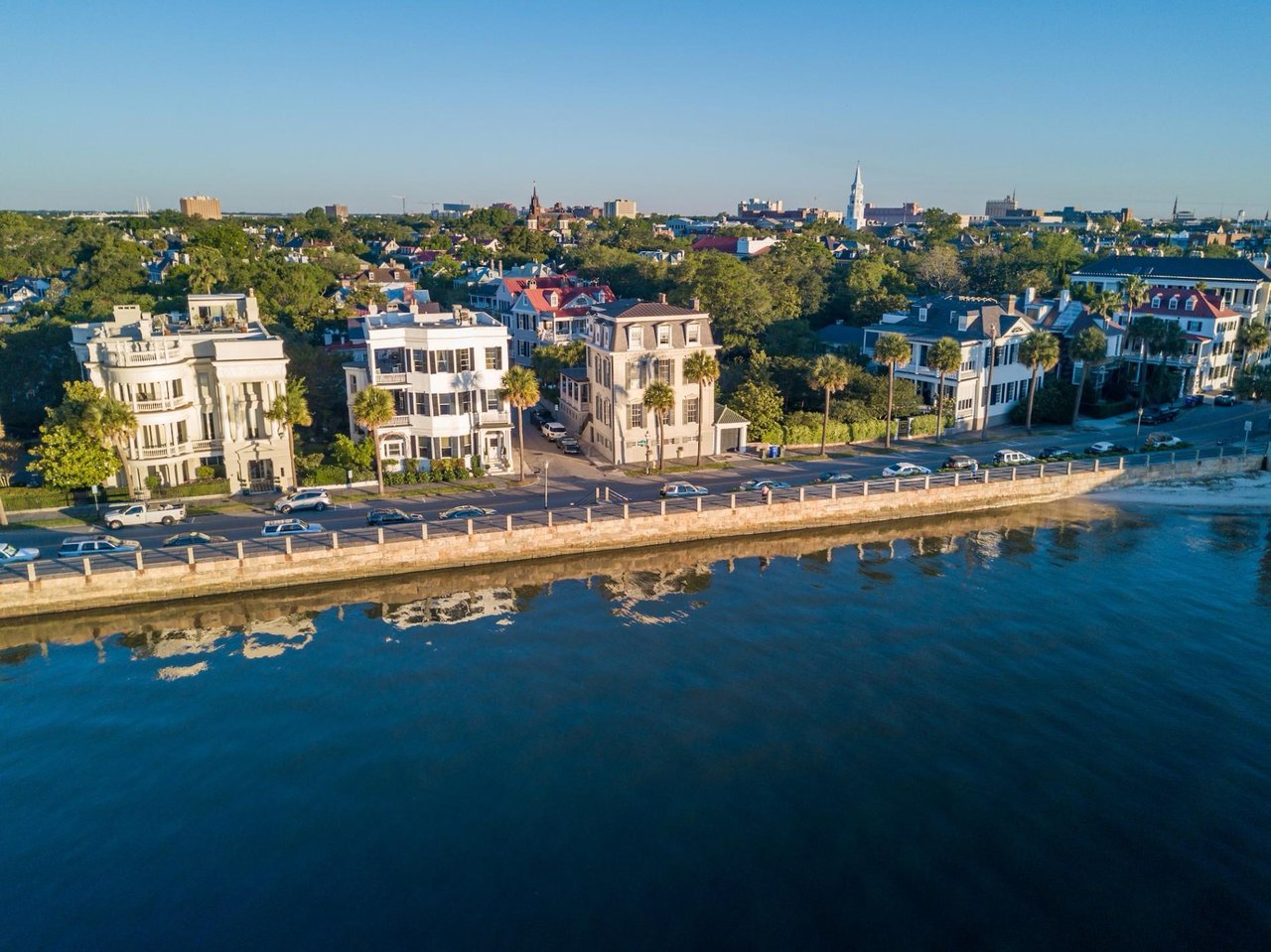
That distinction is particularly important when purchasing a home in Charleston, where properties can range from newly built residences to homes that have stood for centuries. The age, construction, location and condition of the property all matter. An inspection report should be read within the context of the house itself, not judged simply by the number of pages it contains.
In Charleston, moisture deserves particular attention. The Lowcountry’s humidity, heavy rainfall and coastal conditions can all affect a property over time. Water intrusion may begin with a roof, window, deteriorated exterior material, drainage problem, plumbing leak or crawl-space issue. Left unresolved, moisture can contribute to wood rot, mold, pest activity and structural damage.
A small stain does not always indicate a major problem, but it should never be dismissed without understanding where the water originated and whether the source has been corrected. Repairing cosmetic damage without addressing the cause is not a solution. Fresh paint can cover a stain. It cannot stop a leak.
Structural movement also requires perspective, especially when purchasing an older or historic Charleston home. Uneven floors, plaster cracks and doors that do not close perfectly can be common in properties that have stood for generations. The key is determining whether the movement is old and stable or active and continuing.
That distinction may require further evaluation by a structural engineer. Buyers should not panic over every sloping floor, but neither should they automatically accept every irregularity as part of the home’s charm. Character and structural instability are not the same thing, and experience is often required to recognize the difference.
Roofing and drainage are equally important. A roof’s age, materials, flashing and overall condition can affect future maintenance costs and, in some cases, insurance eligibility. A roof may not be actively leaking on the day of the inspection and may still be approaching the end of its practical life.
Drainage is often overlooked, yet it plays a major role in protecting a home. Gutters, downspouts, grading, landscape design and surrounding hardscape should direct water away from the property rather than toward its foundation or crawl space. In Charleston, drainage can be every bit as important as the roof itself. The most beautiful landscaping in the world is not doing the house any favors when it sends rainwater directly underneath it.
Electrical and plumbing systems can become more complicated in historic homes because many Charleston properties contain layers of renovations completed over different decades. A house may include original construction, additions, partial renovations and later updates, all within the same structure.
An older system does not automatically mean a house is unsafe or that everything must be replaced. Buyers do, however, need to understand what is present, how it has been maintained and whether it could create concerns involving safety, insurance, financing or future replacement.
The same is true of heating and cooling systems. An HVAC unit may be functioning properly on inspection day while still approaching the end of its expected service life. That may not be a reason to walk away from an otherwise excellent property, but it should be considered when planning the buyer’s ownership budget.
Termites and other wood-destroying organisms are part of life in the Lowcountry, and evidence of previous activity does not automatically make a property a poor purchase. What matters is whether there is an active infestation, whether previous damage has been repaired, whether appropriate treatment and ongoing protection are in place and whether structural repairs may be needed.
Buyers should also understand that a general home inspection and a CL-100 inspection serve different purposes. One does not replace the other. Together, they can provide valuable information about the property’s condition and help determine whether additional evaluation is appropriate.
Insurance and flooding considerations should be addressed early rather than treated as closing-week details. A property can be beautiful, well maintained and structurally sound while still presenting insurance challenges. Roof age, electrical systems, plumbing materials, flood-zone information, elevation and prior claims can all influence the availability and cost of coverage.
This is especially important when purchasing a coastal, waterfront or historic Charleston property. Buyers should obtain insurance information while they still have time to understand how the cost and availability of coverage may affect the overall investment. Waiting until the final days before closing is a poor strategy and an unnecessary gamble.
Historic homes require knowledge, not fear. They should not be inspected as though they were built last year. Many were constructed long before modern codes, materials and building practices existed. Some conditions reflect traditional construction methods that have performed successfully for generations, while visible exterior alterations in Charleston’s historic districts may also involve preservation guidelines and review.
At the same time, the word “historic” should never become an excuse for active water intrusion, unsafe electrical conditions, substantial structural deterioration or years of deferred maintenance. The goal is to recognize what is normal for the property’s age and method of construction and what represents a genuine concern.
Not every inspection finding should become a repair request. Some items require immediate attention. Some may be appropriate for negotiation, a closing credit or further evaluation by a qualified specialist. Others are simply part of owning and maintaining a home.
The smartest strategy considers the seriousness of the issue, the age and overall condition of the property, the likely repair cost, the terms of the transaction, the strength of the market and the buyer’s long-term plans. A repair request should be strategic and focused, not a demand that the seller correct every scratch, loose knob and aging finish documented in the report.
There are also moments when the best advice is to walk away. That may happen when inspection findings reveal significant risk, when the cost and scope of repair no longer support the buyer’s goals or when the property simply requires more work than the buyer is prepared to take on.
Good representation is not about pushing every transaction to the closing table. It is about protecting the client’s future. Sometimes the right outcome is a successful closing. Sometimes the right outcome is recognizing that this is not the right property and having the discipline to move on.
A home inspector provides valuable information, but the report itself does not make the decision. An inspector documents observable conditions and may recommend additional evaluation. The buyer, with the guidance of experienced professionals, must decide what those findings mean within the larger transaction.
That is where a knowledgeable real estate advisor becomes essential. The right advisor can help the buyer understand which concerns truly matter, determine when a specialist should become involved, evaluate what may be reasonably negotiated and decide whether the property continues to support the buyer’s financial and lifestyle goals.
Lisa Patterson brings an unusual depth of experience to that conversation. Having restored 38 historic homes—including residences dating as far back as 1777—she understands the difference between the natural characteristics of an older property and conditions that warrant closer investigation. Her role is not to minimize legitimate concerns or manufacture panic over ordinary maintenance. It is to place the information into context, ask the right questions and help clients make thoughtful decisions.
As a nationally ranked, award-winning and top-producing Charleston Realtor, Lisa is known for straightforward advice, deep market knowledge and expertise in historic, luxury, waterfront and coastal properties. Whether the purchase involves new construction, a waterfront residence or a centuries-old Charleston home, the objective remains the same: understand what is being purchased, recognize the risks, protect the investment and move forward with clarity.
Buying a home is not about finding a property with no imperfections. That house does not exist. It is about understanding the property, knowing what requires attention and deciding whether the home is the right investment for the life the buyer intends to build there.
Information is powerful. Experience helps interpret it.