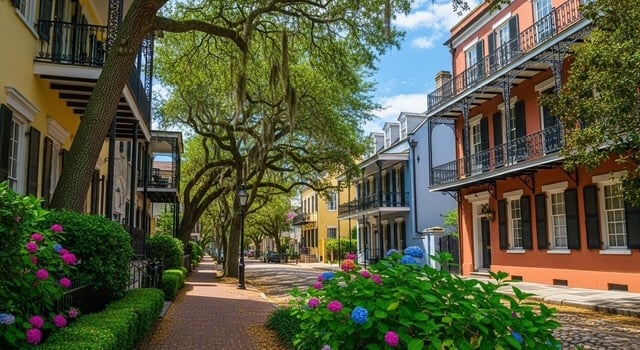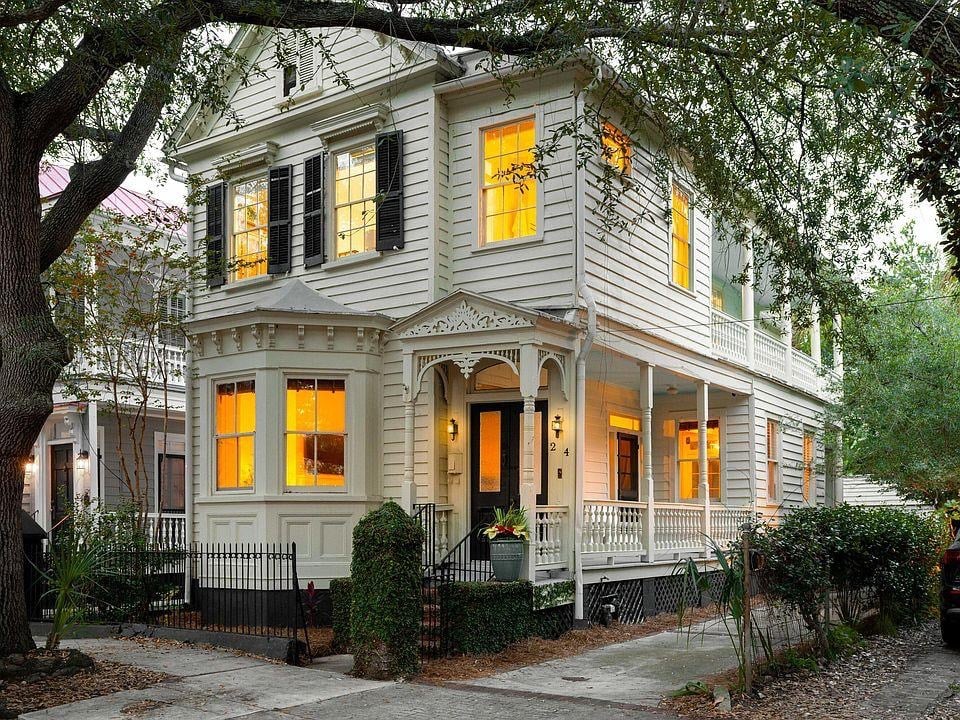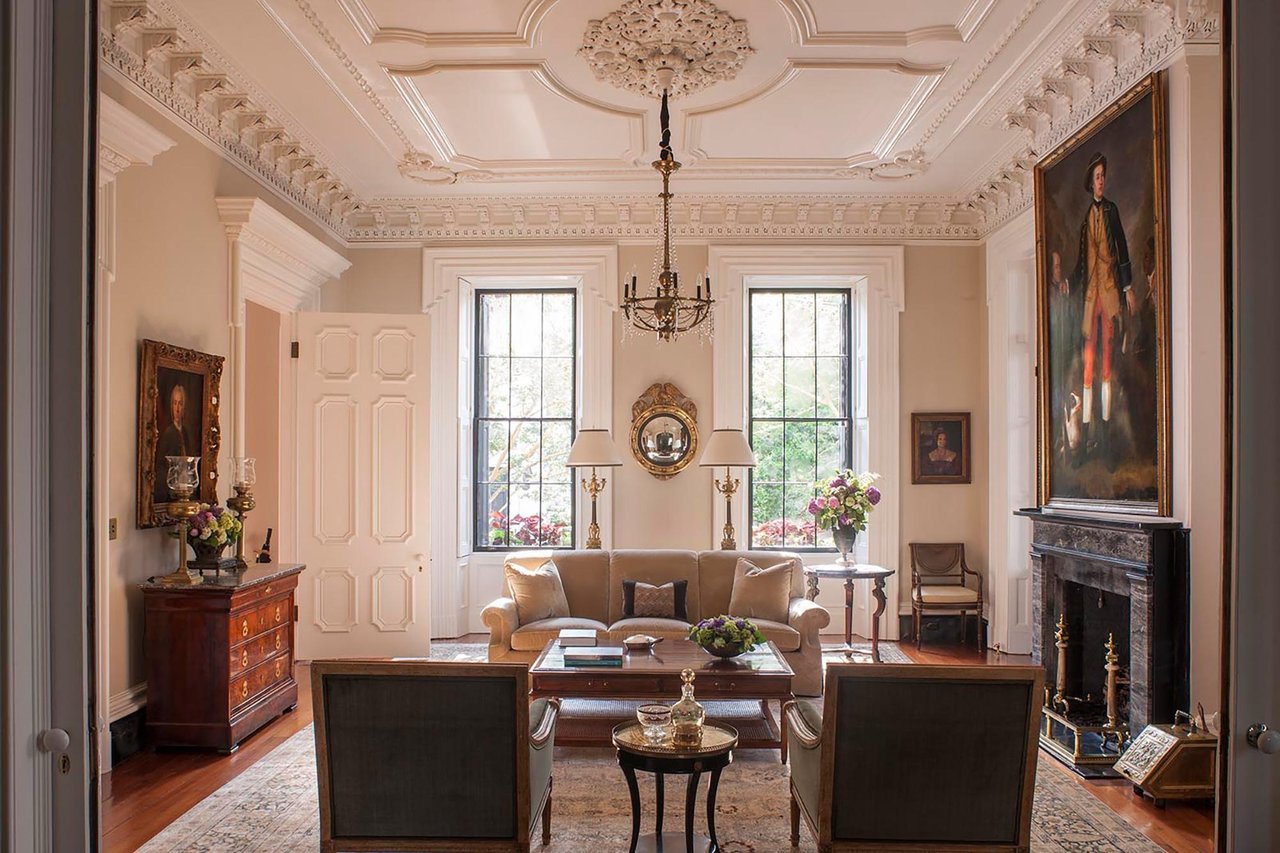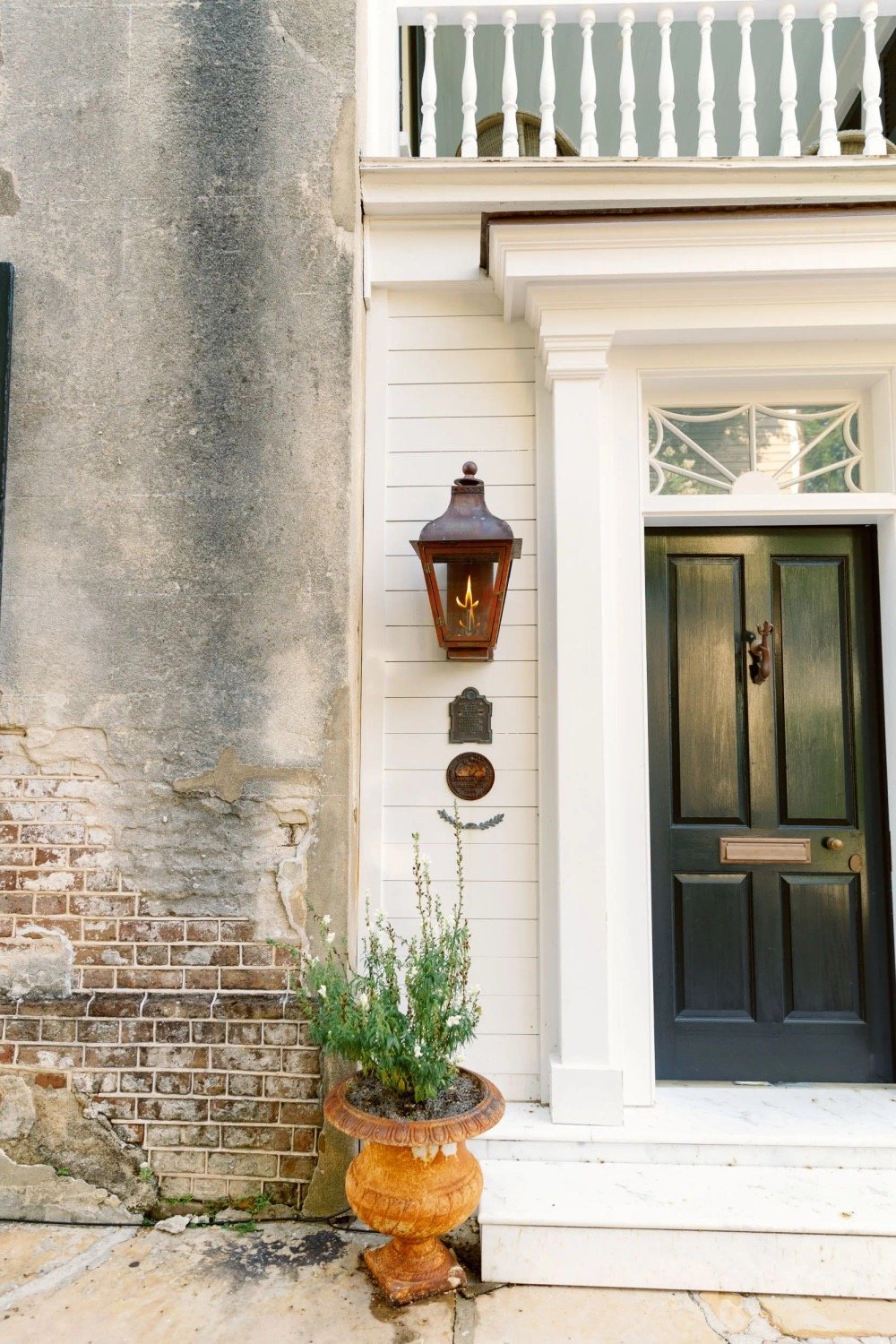
Charleston’s historic homes don’t need to be “improved.” They need to be understood.
In one of the most architecturally significant cities in the country, the biggest mistake sellers make isn’t under-investing—it’s over-renovating. And in Charleston’s most coveted neighborhoods—South of Broad, the French Quarter, Ansonborough—that mistake can quietly cost you real money.
Because buyers here aren’t looking for a brand-new house wrapped in an old shell.
They’re buying history. Craftsmanship. Authenticity.
And when that gets stripped away, value doesn’t go up—it often goes sideways.
Time and again, properties hit the market after well-intentioned renovations that miss the mark. Original heart pine floors replaced. Historic millwork simplified. Floor plans opened in ways that disrupt the natural rhythm of the home.
On paper, it reads like modernization.
In reality, it’s devaluation.
The highest-performing historic properties in Charleston aren’t the ones that have been overhauled—they’re the ones that have been thoughtfully preserved. Homes that respect their architectural lineage while subtly integrating modern livability are the ones that command premium pricing and attract serious buyers.
There’s a strategic balance that defines success in this market:
Enhance livability without compromising authenticity.
That requires a level of discernment that goes beyond design trends. It’s about knowing what should be restored versus replaced, where upgrades add value, and where restraint is the smartest financial decision you can make.
Because in Charleston, historic value isn’t just emotional—it’s measurable.
Buyers consistently pay more for homes that feel intact. Not reimagined. Not overdone. Real.
And that distinction matters more now than ever, as today’s buyers are more informed, more selective, and deeply attuned to authenticity in historic properties.
“In Charleston’s historic market, authenticity isn’t a design choice—it’s the asset.”
Lisa Patterson, a top-performing Charleston real estate advisor and historic property specialist, has spent years restoring and selling some of the city’s most significant homes. Her experience reveals a consistent pattern: preservation drives value.
Not excess. Not over-design. Precision.
For sellers considering renovations before going to market—or buyers planning changes after purchase—the strategy matters more than the scope.
Done right, it elevates value.
Done wrong, it quietly erases it.
Understanding where that line is can be the difference between maximizing your return and leaving money on the table.